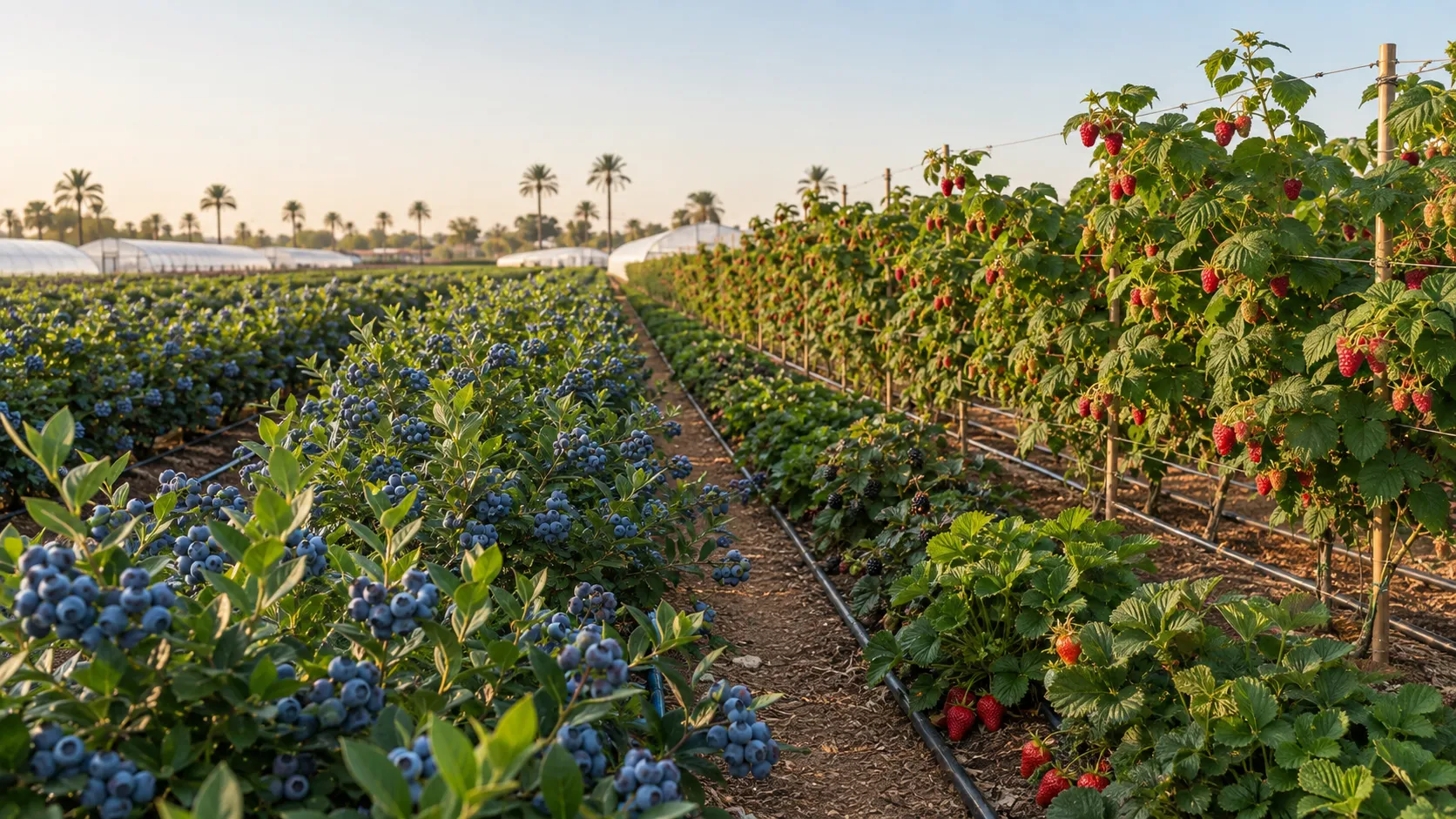
How to Choose the Right Fertigation System for Your Farm
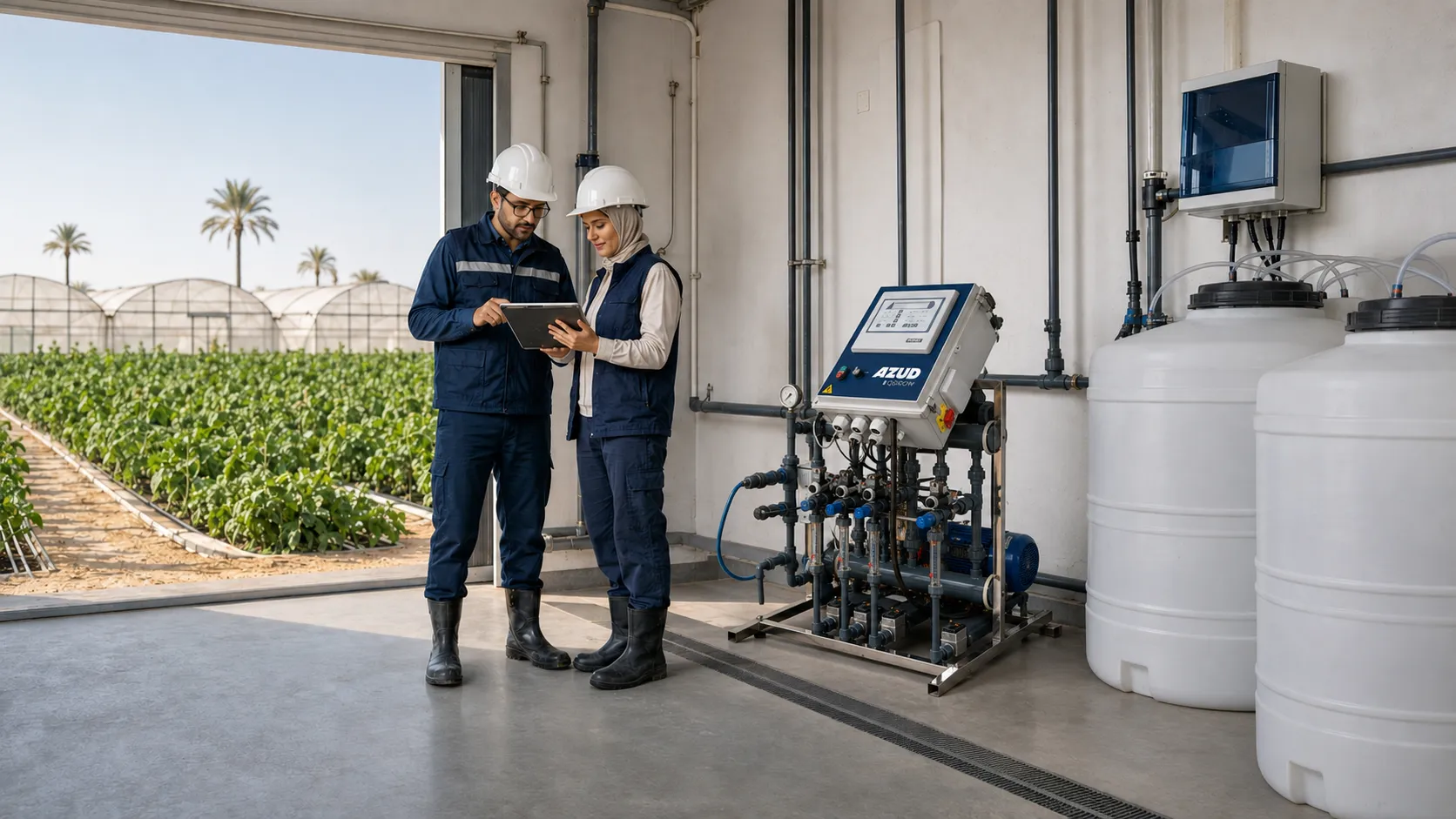
A fertigation system does more than inject fertilizer into an irrigation network. Its purpose is to deliver nutrients to the crop at the correct concentration, rate, and time.
The right solution may range from a simple manually operated unit for a small farm to an automated system that provides continuous monitoring and control for a large agricultural project.
1. Define the Farm and Crop Requirements
Before choosing a system, collect the following information:
- Total farm area.
- Types of crops.
- Number of irrigation zones.
- Nutritional requirements of each crop.
- Length of the irrigation cycle.
- Fertigation frequency.
- Differences between zone programs.
- Future expansion plans.
- As the number of crops and zones increases, the farm will generally require a more flexible and accurately controlled system.
2. Determine the Number of Injection Channels
The fertigation program may require one fertilizer tank or several separate solutions.
Injection channels may be required for:
- The main fertilizer solution.
- Micronutrients.
- Acid injection for pH adjustment.
- A separate solution that cannot be mixed with other fertilizers.
- Cleaning chemicals when required.
- Determine the number of channels currently needed while considering future expansion.
3. Manual or Automatic Operation?
Manual Systems
A manual system may be suitable when:
- The farm is relatively small.
- The fertigation program is simple.
- An experienced operating team is available.
- Injection rates do not change frequently.
- Continuous data recording is not required.
- The main advantage is simplicity. However, performance depends heavily on the operator’s experience and consistency.
- Automatic Systems
An automatic system may be more suitable when:
- The farm contains several zones or crops.
- Precise dosing is required.
- Fertigation programs change according to crop growth stages.
- Monitoring and data recording are important.
- The project wants to reduce dependence on manual decisions.
- Integration with an external controller is required.
- Automation does not replace the agronomist or irrigation engineer. It helps execute the approved program more consistently.
4. Monitoring vs. Controlling pH and EC
pH
pH indicates the acidity or alkalinity of the solution and can influence:
- Nutrient availability.
- Fertilizer efficiency.
- The formation of deposits.
- Irrigation network performance.
- EC
- Electrical conductivity indicates the concentration of dissolved salts and helps monitor nutrient concentration in the irrigation water.
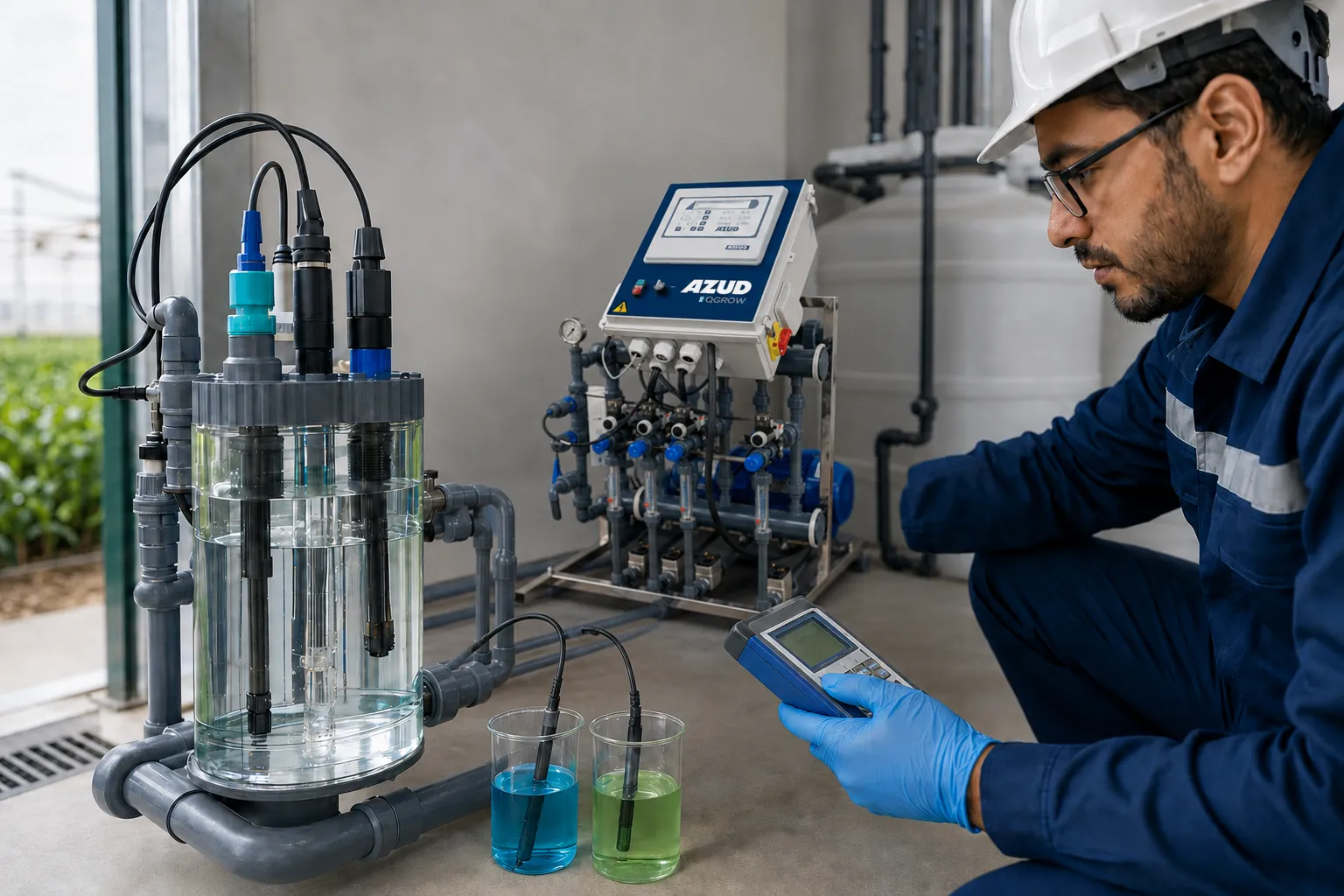
- There is an important difference between a system that only displays pH and EC readings and one that actively uses those readings to control injection.
- Monitoring: The system displays readings so the operator can make decisions.
- Control: The system adjusts injection according to programmed limits and sensor feedback.
5. Calculate the Required Injection Capacity
The system’s capacity should match:
- Irrigation network flow rate.
- Available operating time.
- Fertilizer concentration in the stock tanks.
- Required dose for each zone.
- Number of channels operating simultaneously.
- An oversized unit may increase costs unnecessarily, while an undersized system may be unable to deliver the required dose within the available irrigation period.
6. Check Whether the Project Has a Controller
If the project already has a central controller, determine:
- Whether the fertigation unit is compatible with it.
- The required signal types or communication protocol.
- Whether the controller can manage pumps, valves, and sensors.
- Whether the unit will operate independently or as part of a larger system.
- If no controller is available, an integrated fertigation system with its own control panel may be considered.
7. Consider Operation and Maintenance
The right system must be manageable by the farm’s operating team.
Review:
- Sensor calibration requirements.
- Injection-line cleaning procedures.
- Spare-parts availability.
- Accessibility of pumps and valves.
- Operator training requirements.
- Alarm and fault-recording capabilities.
- Protection from site conditions.
Common Mistakes to Avoid
Selecting an automatic system without preparing the operating team.
Failing to calculate the required injection capacity.
Mixing incompatible chemicals in the same tank.
Neglecting pH and EC sensor calibration.
Ignoring irrigation water quality.
Selecting a system with no expansion capacity.
Confusing measurement display with automatic control.
Selection Checklist
Confirm the following:
- Farm area and crop types.
- Number of irrigation zones.
- Number of injection channels.
- Irrigation flow rate.
- Required injection capacity.
- Manual or automatic operation.
- pH and EC monitoring or control.
- Availability of an external controller.
- Operating-team experience.
- Future expansion plans.
Conclusion: The best fertigation system is not necessarily the most complex one. It is the system that provides the required accuracy and can be operated and maintained effectively by the farm team.